
 By
By 
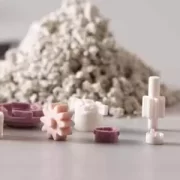
Green sand casting is one of the oldest and most reliable methods in the foundry industry. It uses a mixture of natural sand and clay as the mold material. The process supports high‑volume manufacturing with strong consistency. It is known for its low cost and flexibility. Many factories rely on it for parts with complex shapes. The method combines speed and quality in one process. It is also friendly to the environment because the sand can be reused. Green sand casting provides a balance between durability and productivity.
Cost‑Effectiveness and Material Efficiency
Green sand casting offers excellent cost benefits for large‑scale production. The raw materials are affordable and easy to handle. A green sand mold can be formed quickly and reused after restoration. That reduces waste and lowers operating expenses. The process minimizes energy use because it does not require high mold preparation temperatures. Equipment costs remain low because the setup is simple. Foundries appreciate the repeatable nature of green sand molds. Workers can easily maintain quality with basic training. Over time the overall savings in material and energy make green sand casting ideal for long runs. It supports a steady output without raising expenses.
Complex Geometries and Design Flexibility
A major benefit of green sand casting is its adaptability to intricate forms. Molds capture fine details from patterns with accuracy. Designers can create varied wall sections and shapes without extra tooling. The sand and clay mixture flows evenly and holds precise features. Engineers can test new designs with minimal preparation. The process supports castings of different weights and sizes. It can handle both decorative and functional components. Such flexibility encourages innovative part design. Now metal casting through this method supports creative manufacturing goals. Complex structures often come out clean and strong after pouring. That reliability attracts industries that need detailed products.
Limitations and Ongoing Development
Although green sand casting provides many advantages it has some constraints. The surface finish may not match that of more advanced techniques. Some materials with very high melting points can challenge the molds. Dimensional accuracy may vary with mold handling and moisture content. However researchers continue to improve sand blends and control systems. Automated lines now reduce human error and enhance consistency. Better testing methods help maintain desired quality. Foundries also reuse and recycle sand more efficiently. Environmental awareness drives cleaner processes and improved waste control. Future advances will make the method even more sustainable. That continuous progress secures its role in modern production.
Applications and Industrial Impact
Green sand casting serves many sectors across manufacturing. Automotive firms use it to produce engine parts and housings. Agricultural machinery makers depend on it for durable components. Construction equipment and pump makers also value its robustness. The process supports both small parts and heavy castings. Many workshops around the world rely on it daily. Its balance of speed and affordability keeps output steady. The adoption of better sand control enhances performance. Green sand casting continues to shape industrial growth. It unites tradition with innovation across modern foundries. The method remains central to high‑volume manufacturing success today.











Comments