
 By
By 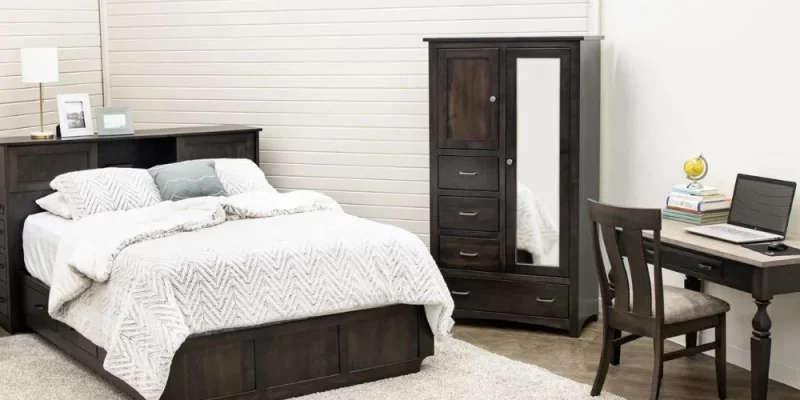
Creating a home that looks polished and thoughtfully styled doesn’t have to require the help of an interior designer. While professionals bring invaluable insight and creativity, the average homeowner can still pull off a cohesive look with the right strategies, patience, and a clear vision. Whether you’re decorating a single room or furnishing an entire house, the key lies in understanding how to balance function, color, and style. Here’s how you can achieve that magazine-worthy feel—without the designer price tag.
Start with a Clear Vision
Before making any purchases, take time to envision what you want your space to feel like. Are you going for cozy and rustic? Sleek and modern? Coastal and airy? Defining a style direction early will prevent you from falling into the common trap of buying individual pieces you love but that don’t necessarily work well together. Pinterest, Instagram, and even furniture retailer websites can be great for identifying what aesthetic you’re naturally drawn to.
To bring even more clarity, create a mood board using a digital app or old-school magazine clippings. Focus on colors, textures, materials, and general furniture silhouettes. This visual reference will act as your north star when you start shopping.
Choose a Cohesive Color Palette
One of the simplest ways to tie a room together is through a unified color scheme. A common formula is the 60-30-10 rule: 60% of the room in a dominant color (typically walls and large furniture), 30% in a secondary color (rugs, curtains, or accent chairs), and 10% in an accent color (art, throw pillows, or decorative objects). This approach helps create visual balance and keeps your space from feeling disjointed.
When choosing your palette, consider the natural light in the room, the mood you want to evoke, and any existing elements you’re keeping, such as flooring or built-ins. Warm neutrals paired with earthy tones can create a cozy atmosphere, while cooler hues like blues and greys tend to offer a calmer, more modern feel.
Mix, Don’t Match—But Do So Thoughtfully
One of the biggest misconceptions in home decor is that everything has to match to look good. In reality, too much matching can actually make a room feel flat and uninspired. The key is to mix materials and finishes—like combining metal with wood, or linen with leather—while still maintaining a consistent theme.
When it comes to bedrooms, for example, you don’t have to buy an entire matching set of furniture. However, a well-coordinated bedroom set can provide a solid foundation and ensure that your space doesn’t feel too eclectic or thrown together. If you do go for a set, consider breaking it up a bit—use the bed and nightstands together, but opt for a different style of dresser or accent chair to add character and depth.
Anchor Your Space with Signature Pieces
Every room benefits from a focal point, whether it’s a stunning sofa in the living room, a statement light fixture in the dining area, or a beautifully crafted bed frame in the bedroom. Identify one or two standout pieces that you truly love and build around them.
These anchor items don’t have to be expensive, but they should be high in visual impact. Once chosen, repeat materials or shapes from these pieces throughout the space to create a subtle thread of continuity. For instance, if your dining table has a black metal base, echo that metal in a floor lamp or picture frames in nearby rooms.
Pay Attention to Scale and Proportion
Even the most stylish furniture will look awkward if it’s not the right size for the room. Always measure your space before buying new pieces, and create a floor plan to visualize how everything will fit. Online tools and apps can make this easier than ever.
Think about traffic flow, especially in shared living areas, and make sure there’s enough breathing room between items. If a piece feels too large, it can dominate the space and throw off the entire room’s balance. On the other hand, undersized furniture can make a room feel incomplete and awkwardly sparse.
Layer Textures and Patterns
Texture is often the unsung hero of a well-designed space. It brings warmth and dimension to a room, especially when working within a neutral color palette. Consider mixing different fabric types—like a velvet throw on a cotton sofa, or a jute rug beneath a wooden coffee table.
Patterns also play an important role, but they require a bit of finesse. Stick to a consistent color story when mixing patterns and vary the scale. A large-scale geometric print can pair beautifully with a smaller floral or stripe, as long as the colors relate.
Accessorize with Purpose
Accessories are the finishing touches that make a house feel like a home, but over-accessorizing is a common mistake. Instead of filling every surface, choose a few key items that speak to your personality—artwork, books, vases, or travel souvenirs—and display them with intention.
Think in odd numbers and vary the height and texture of your items for a more organic look. And don’t underestimate the power of greenery: a few well-placed plants can instantly breathe life into a room and soften more structured elements.
Be Patient and Evolve
Creating a cohesive home look doesn’t happen overnight. Resist the urge to buy everything at once. Take your time, live in your space, and let your style evolve naturally. Sometimes, the best pieces are the ones you find unexpectedly—at a flea market, on vacation, or even secondhand.
That said, prioritize foundational items first—like a quality bed frame or sofa—so you’re building on a solid base. From there, you can slowly introduce supporting elements that complement and enhance your core pieces.
Final Thoughts
You don’t need a professional designer to create a beautiful, cohesive home. With a clear vision, thoughtful planning, and a few simple design principles, anyone can curate a space that feels both stylish and personal. Whether you’re coordinating your entire home or just starting with a new bedroom set, the key lies in balance, intention, and creativity. Take your time, trust your instincts, and enjoy the process—your dream home is closer than you think.










Comments